
1: Presentation and basic forms
General outlook of all images featuring in the whole course.
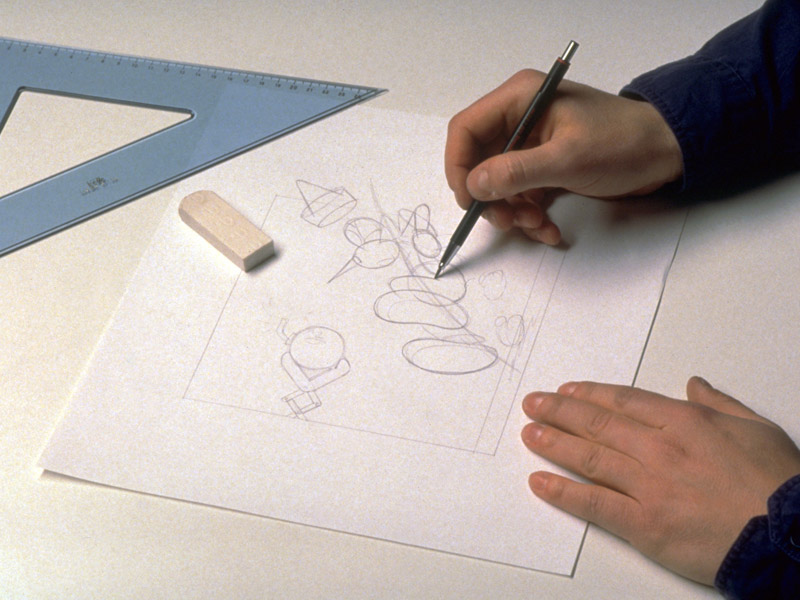
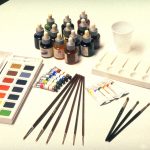
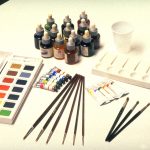
List of tools and materials needed.
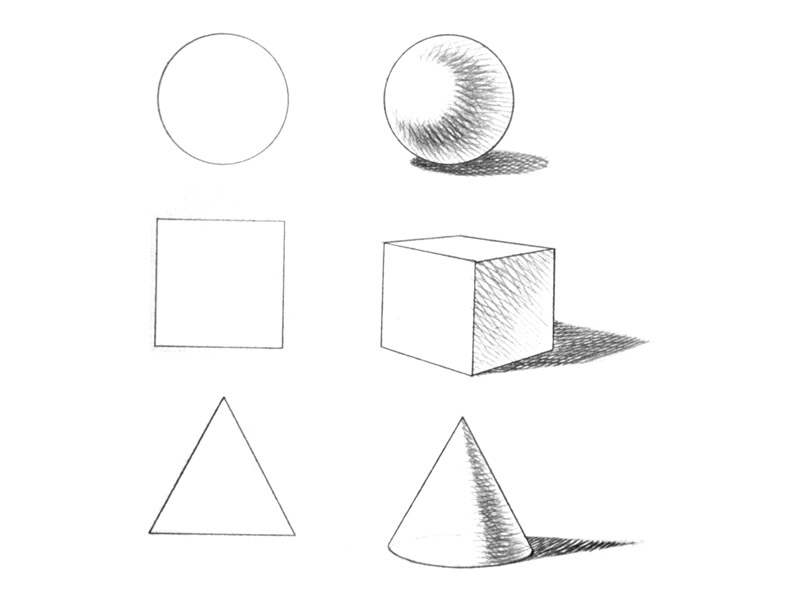
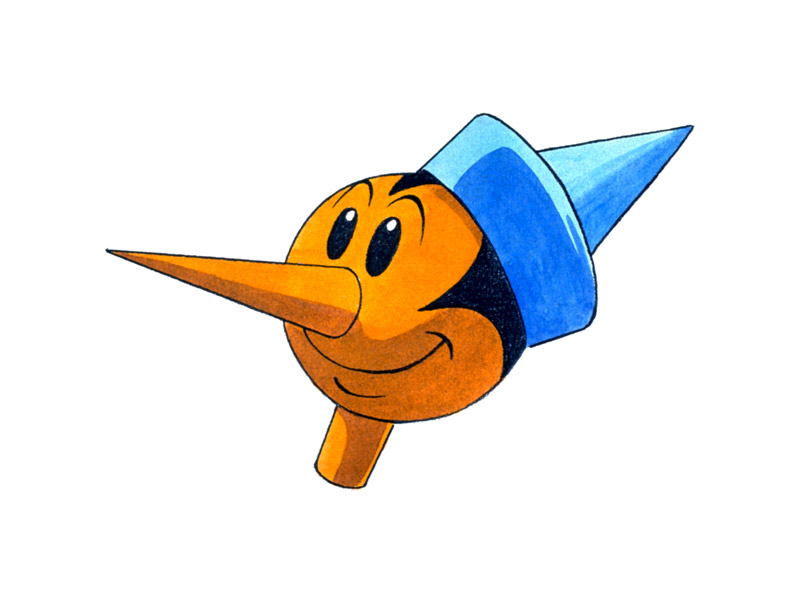
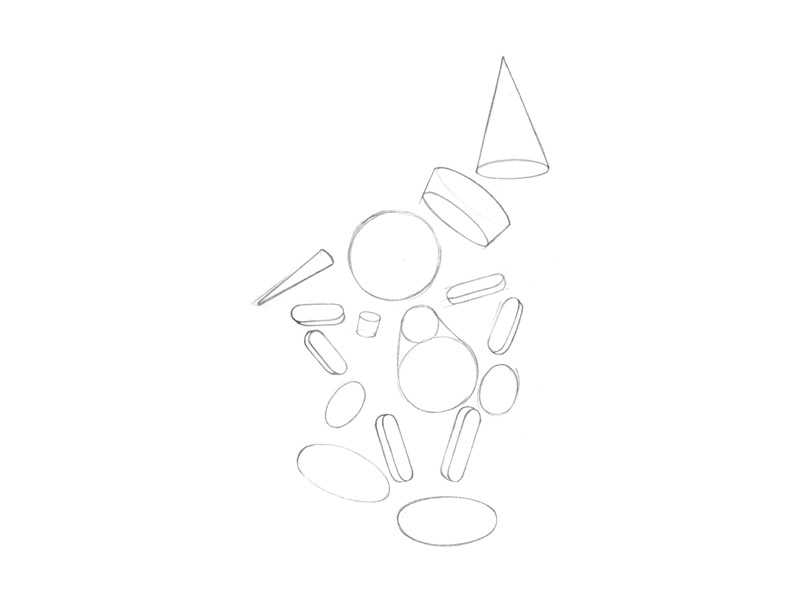
A look into plane figures and fundamental volumes.
Composition of basic shapes and their assembly and distortion in order to create more complex shapes.








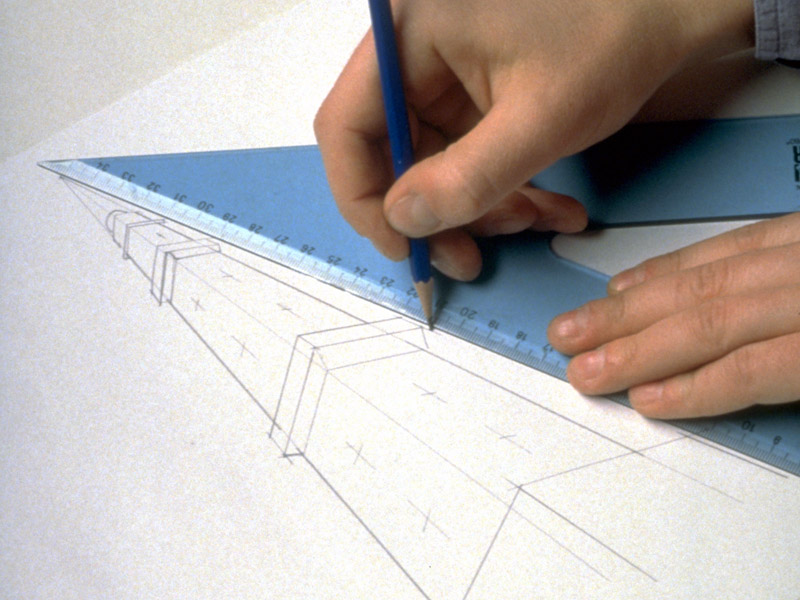
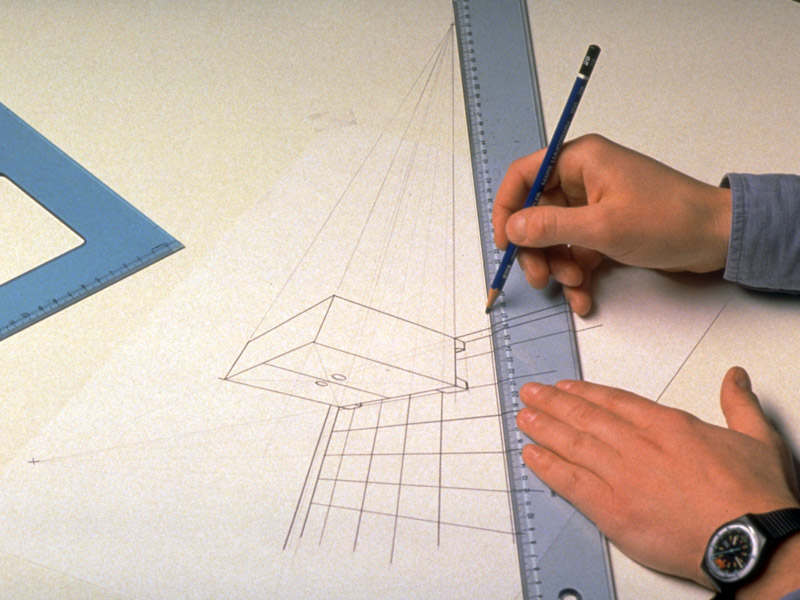
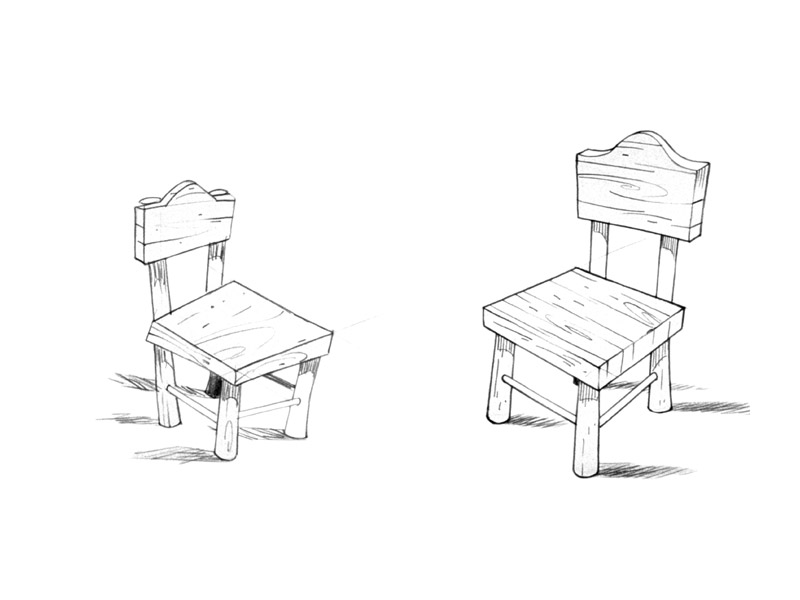
2: Shadows – Perspective
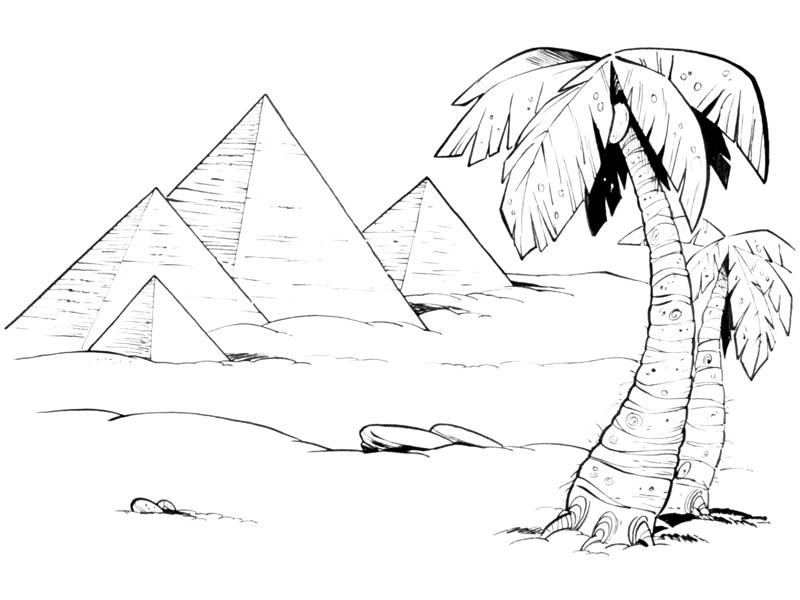
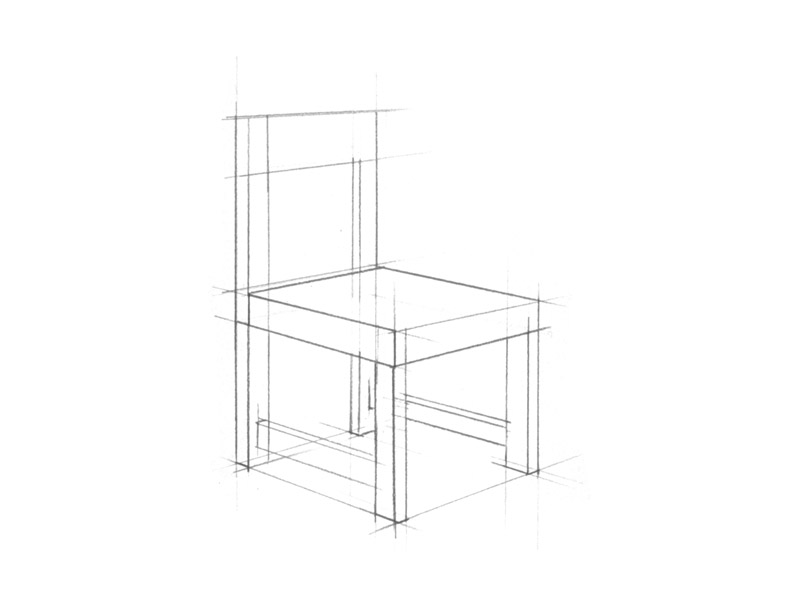
Perspective and its relationship with shapes and objects.
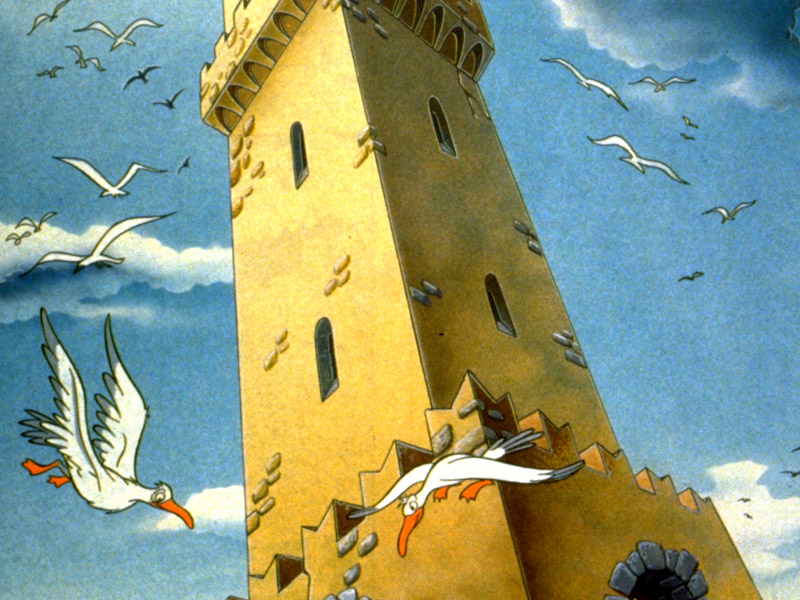
Perspective in a context.
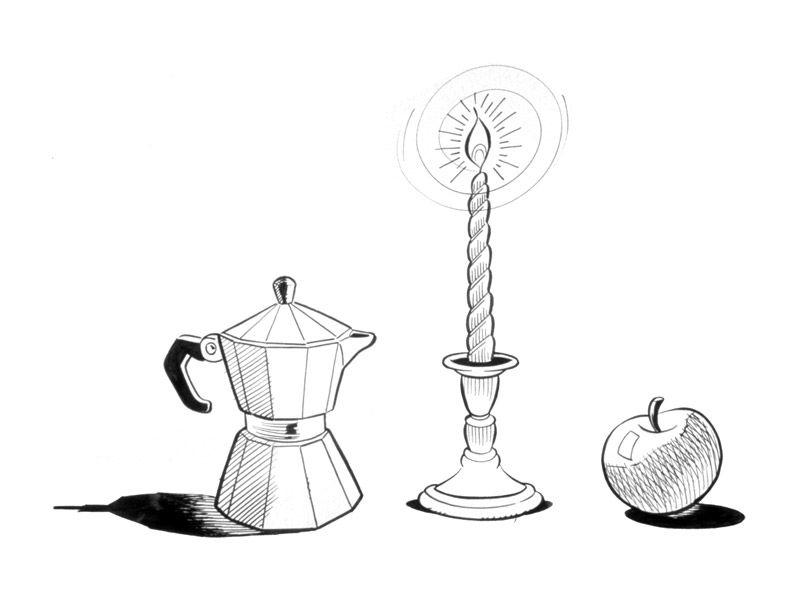
The theory of shading applied to perspective.







3: Anatomy in cartoon drawing
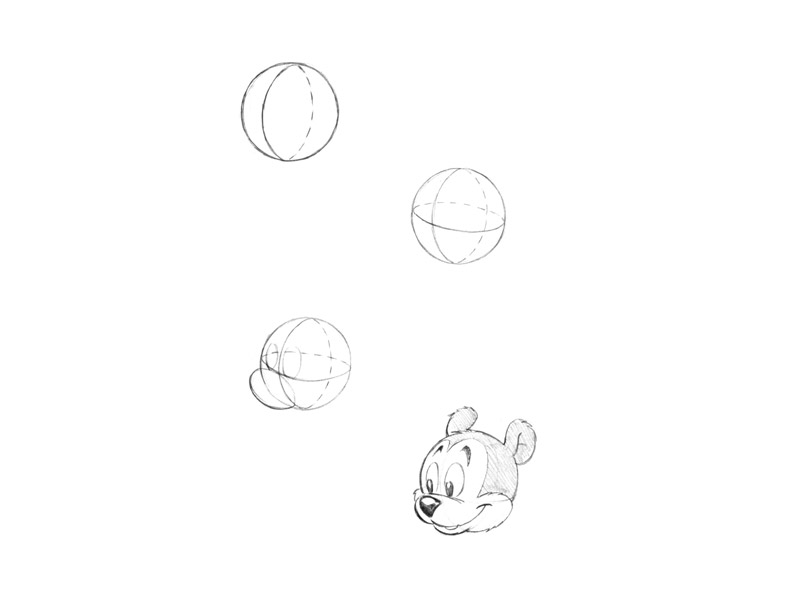
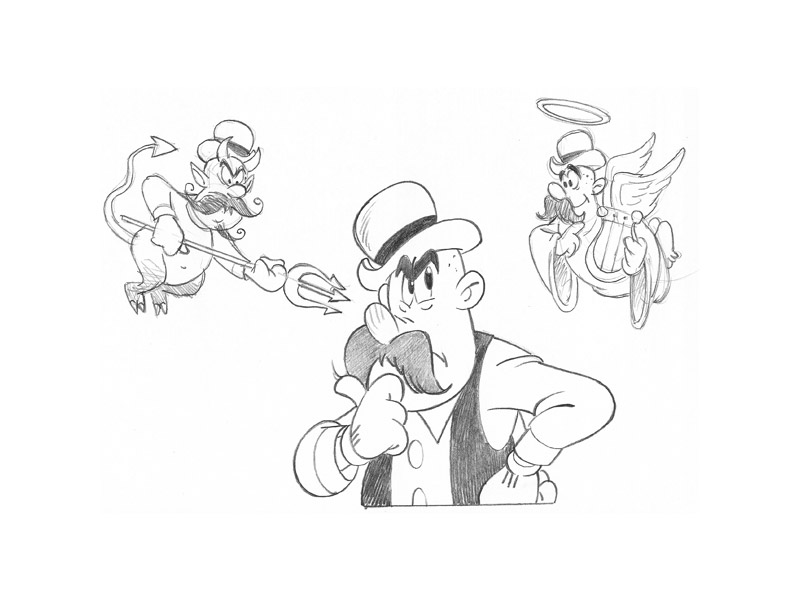
Anatomy in comic drawing. Creating a character.
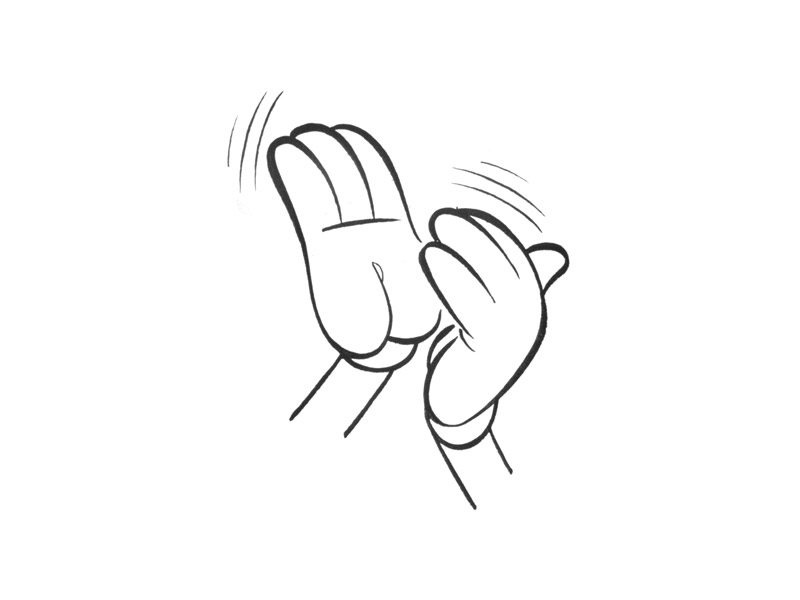
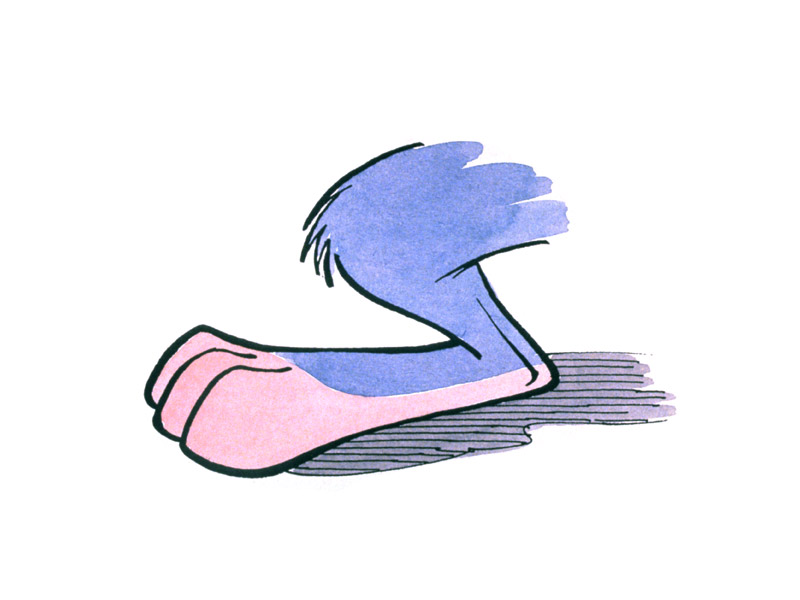
Anatomy in comic drawing, specific anatomical aspects: hands, feet, shoes, tails, ears, paws, limbs, and the face of comics characters.








4: The body in movement – cartoons and animated drawing
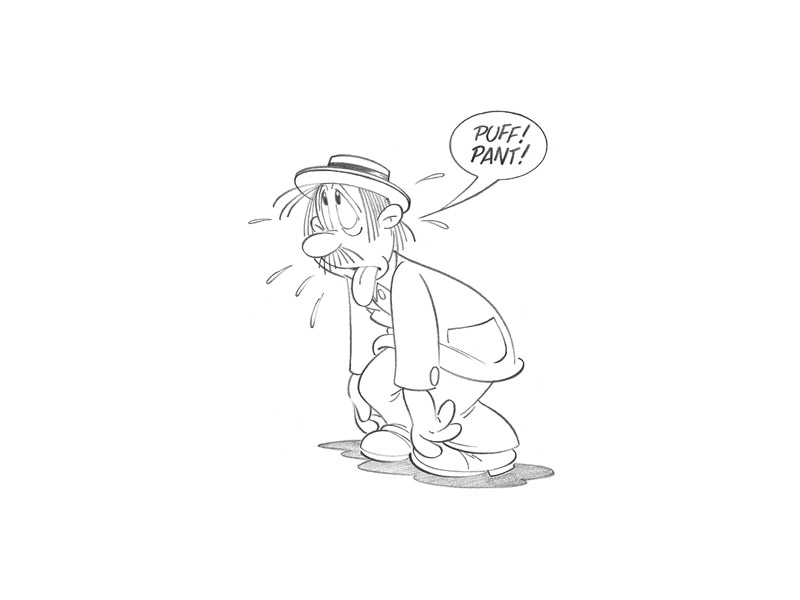
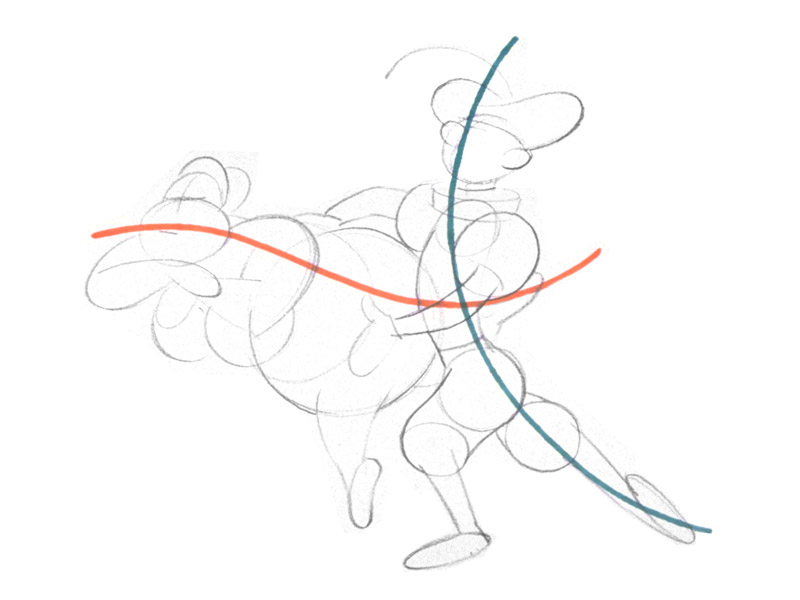
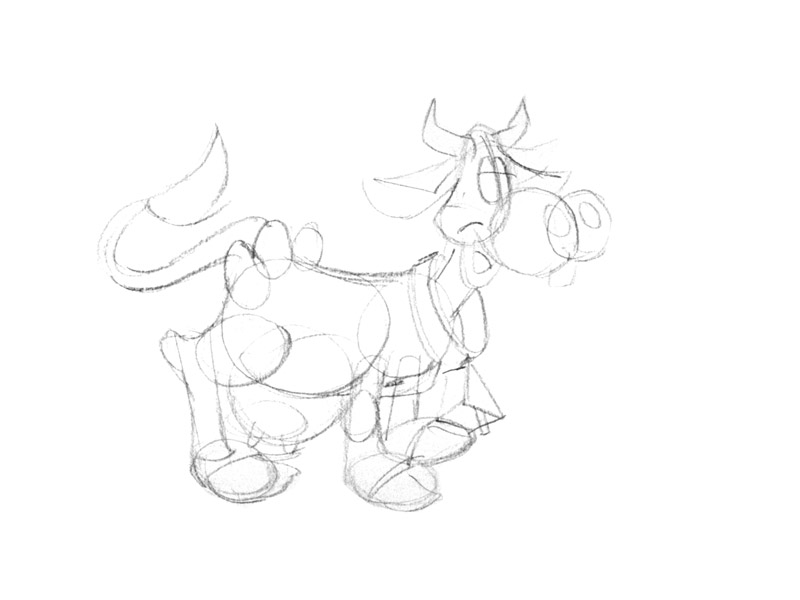
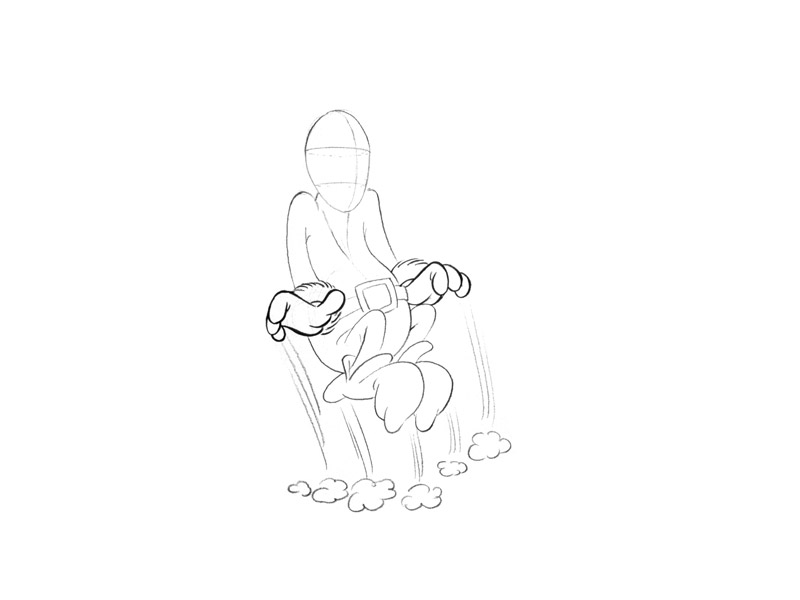
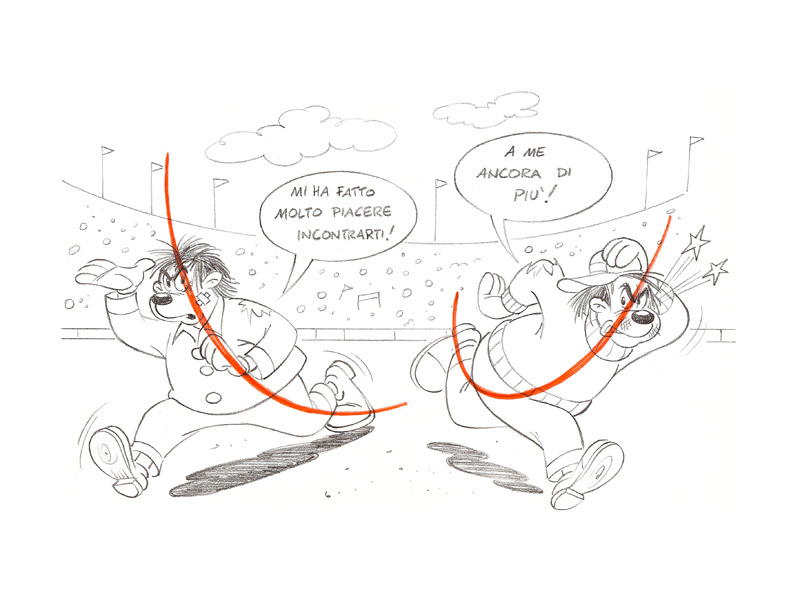
The line of action (physical expressions and the importance of making characters “live”).
The connection between comics, video-comics and cartoons with reference to the line of action, body language and facial expressions.
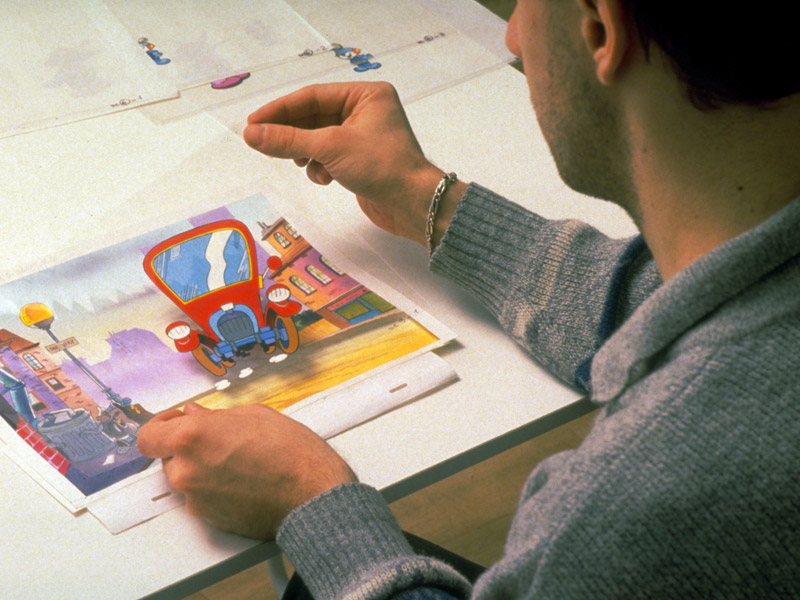
Conceiving and creating a short feature animated cartoon.






5: Physical characteristics (first part)
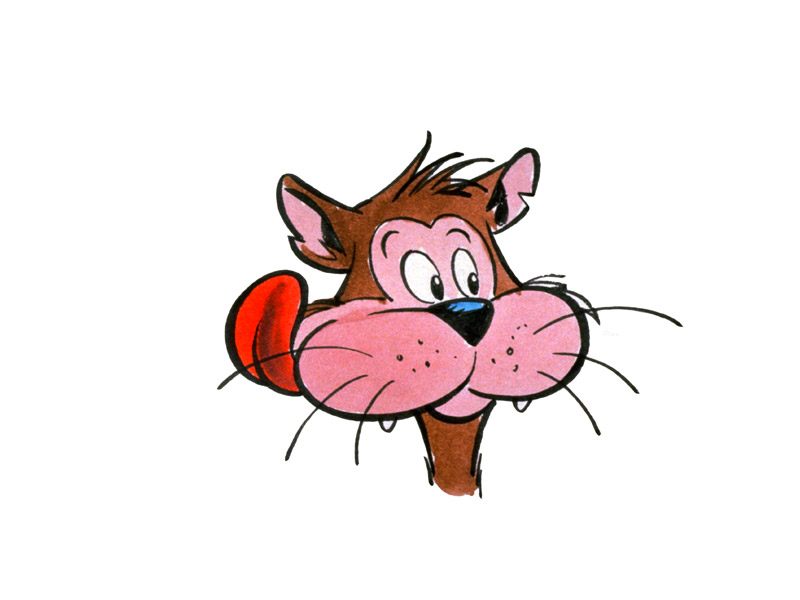
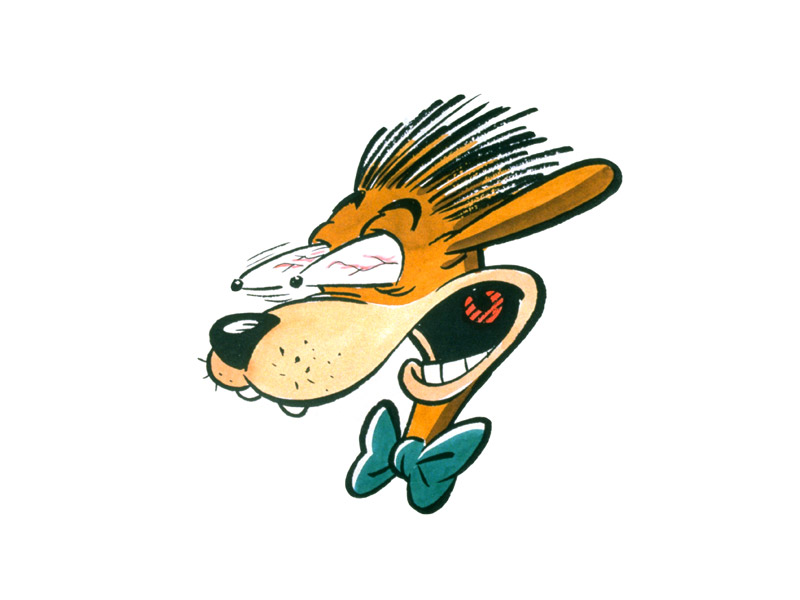
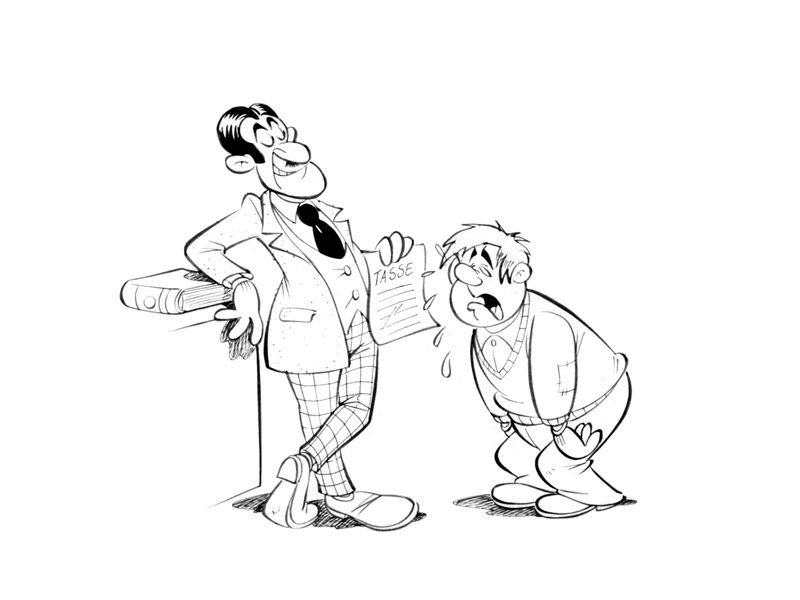
Features of characters.
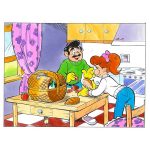
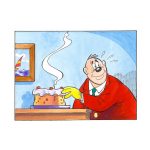
Different looks for different characters (the silly man, the typical woman, the nice guy, etc.).
Initial tips on colouring techniques




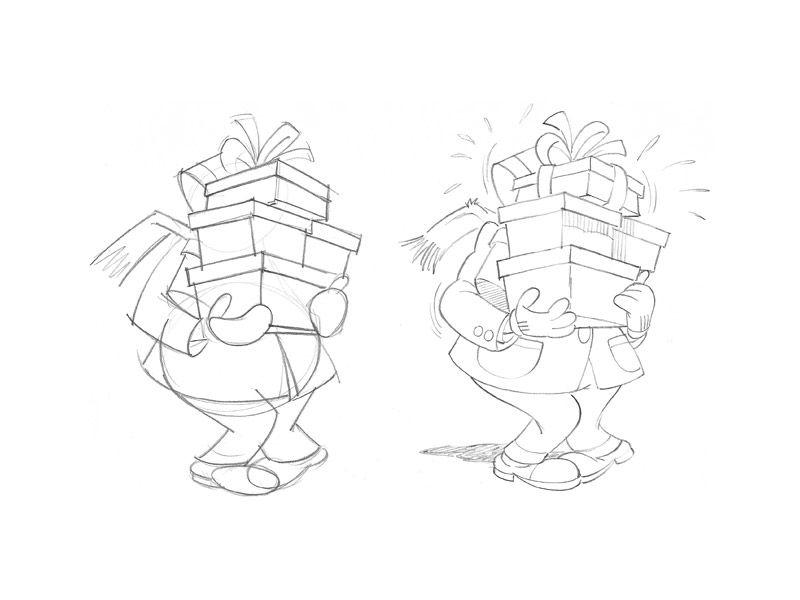


6: Physical characteristics (second part)
Features of characters.
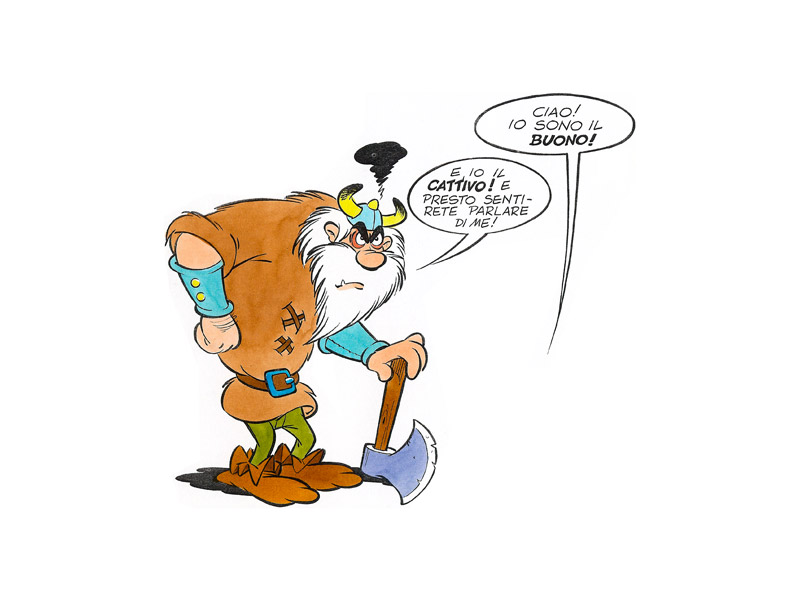
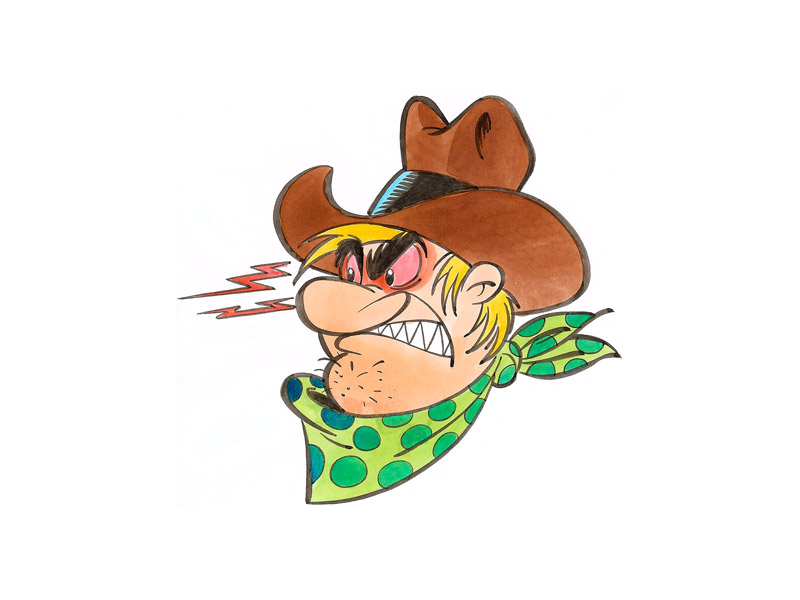
Different looks for different characters (the bizarre and gullible man, the baddie and female characters).




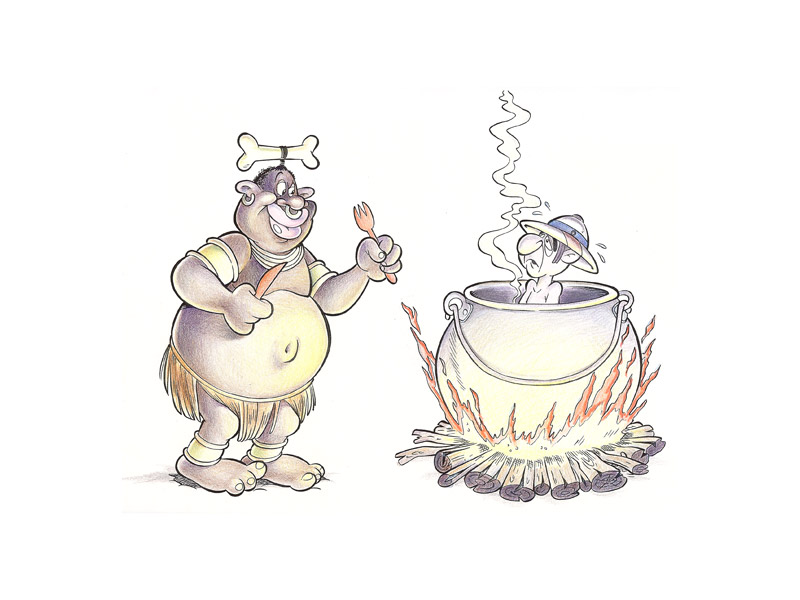
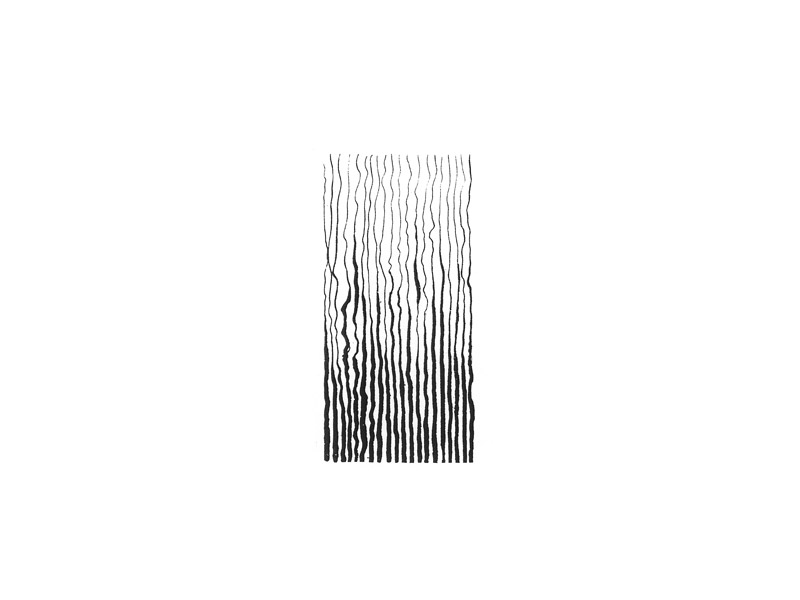
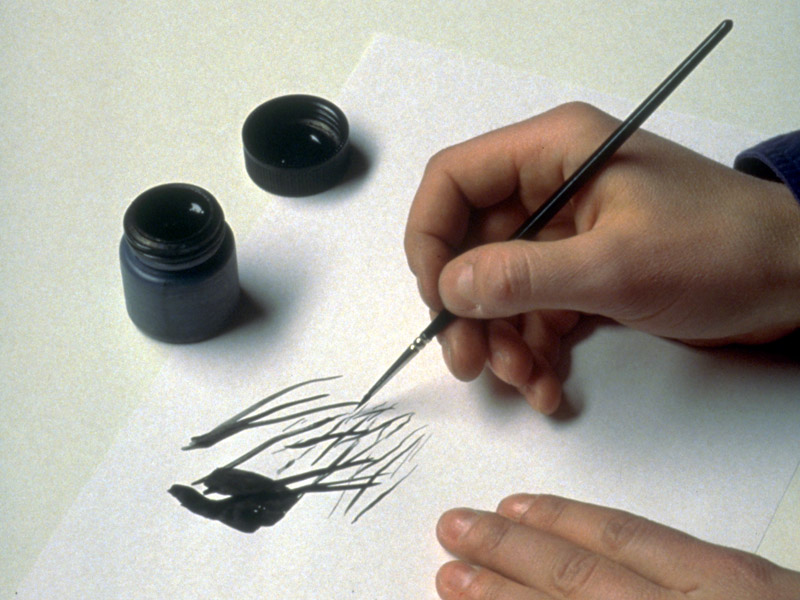
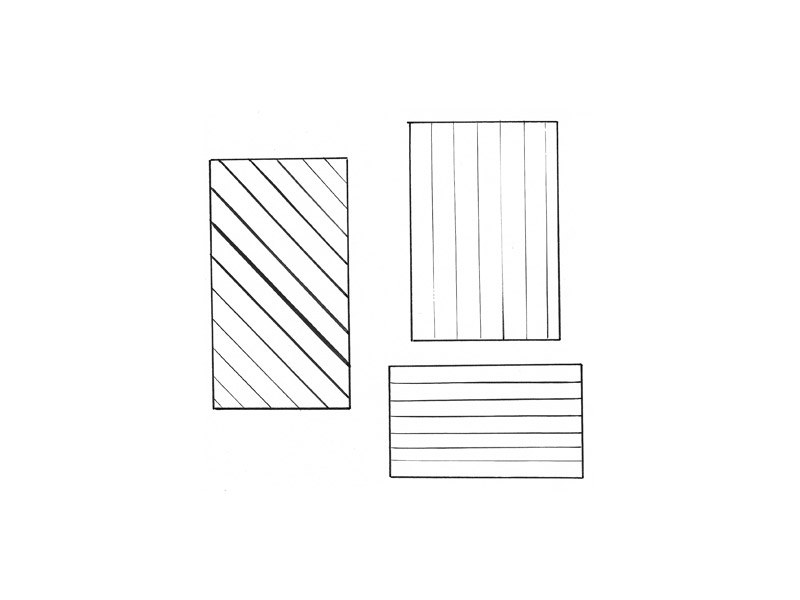
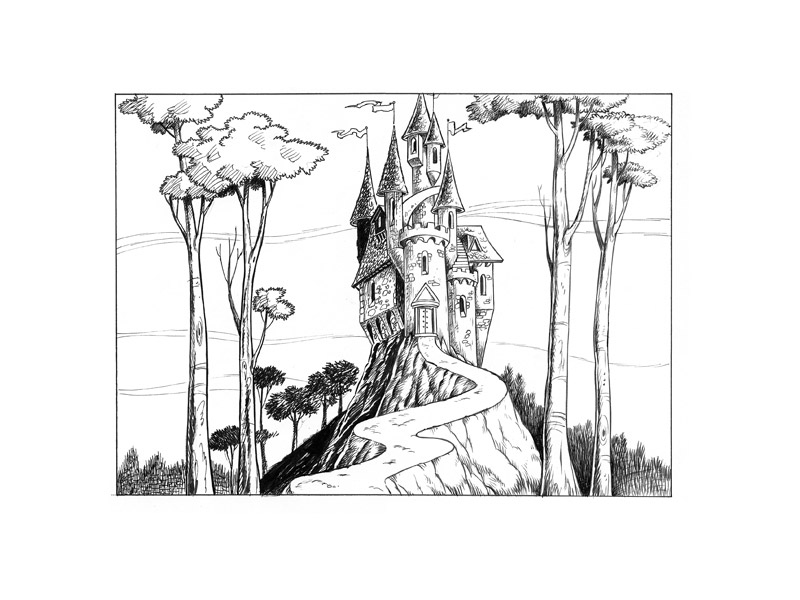
7: Inking techniques
Inking techniques with brush, nib, felt-pen, etc.
The theories of inking. Inking a cartoon.
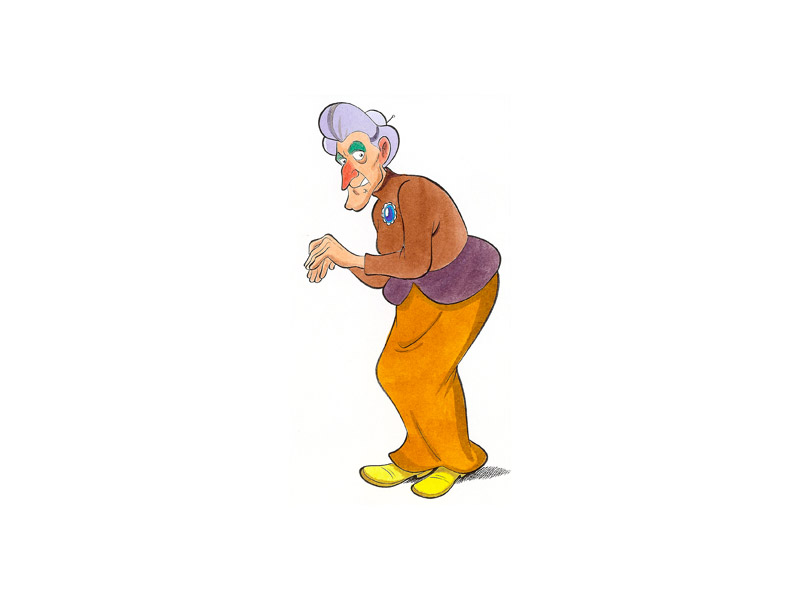


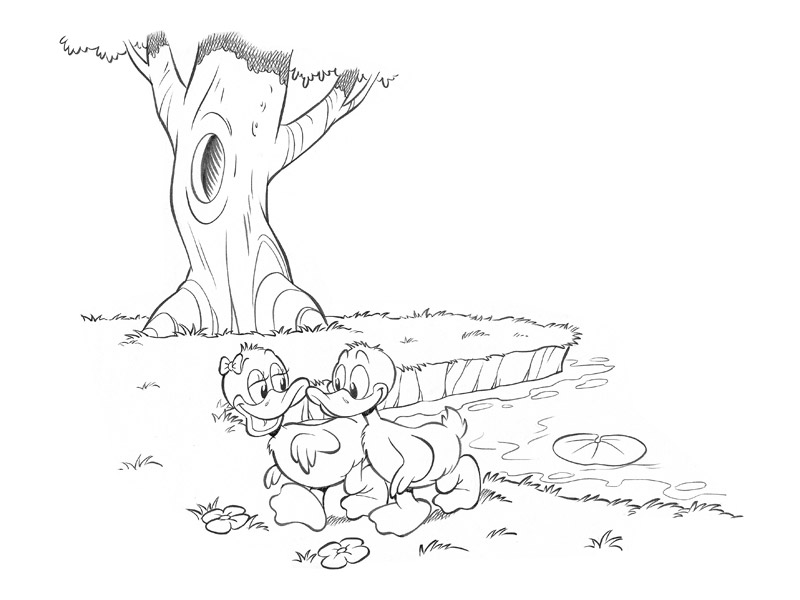

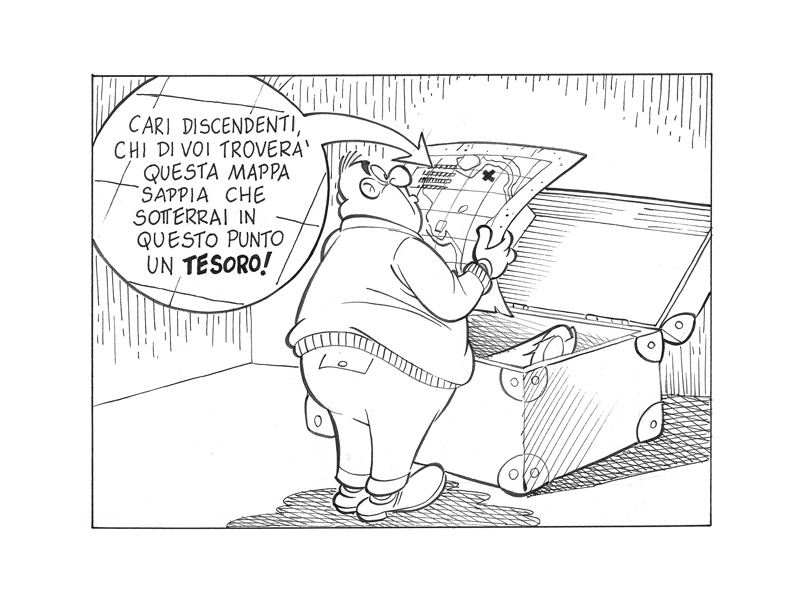


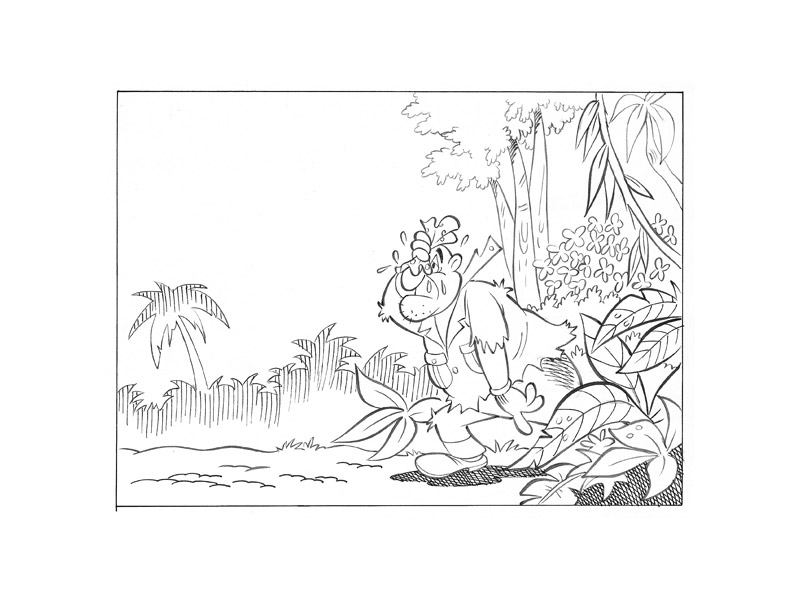
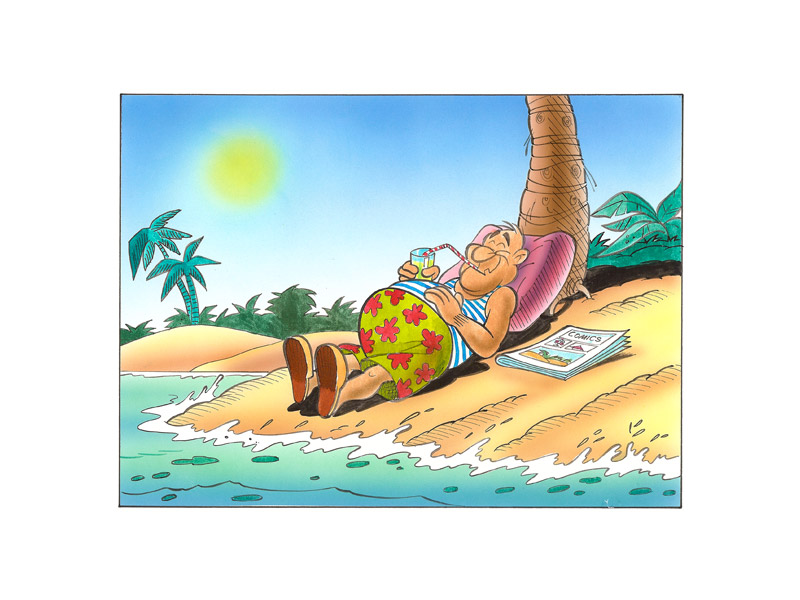
8: Techniques for Colouring
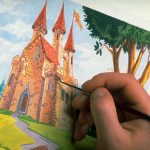
Explanation of the various techniques to apply colour.
From watercolours to coloured pencils, from tempered colours to airbrush.


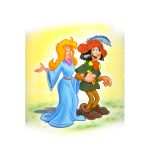

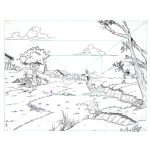
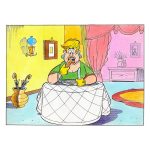
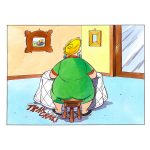
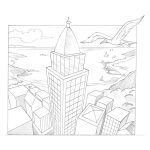
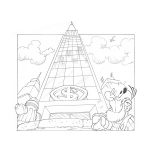
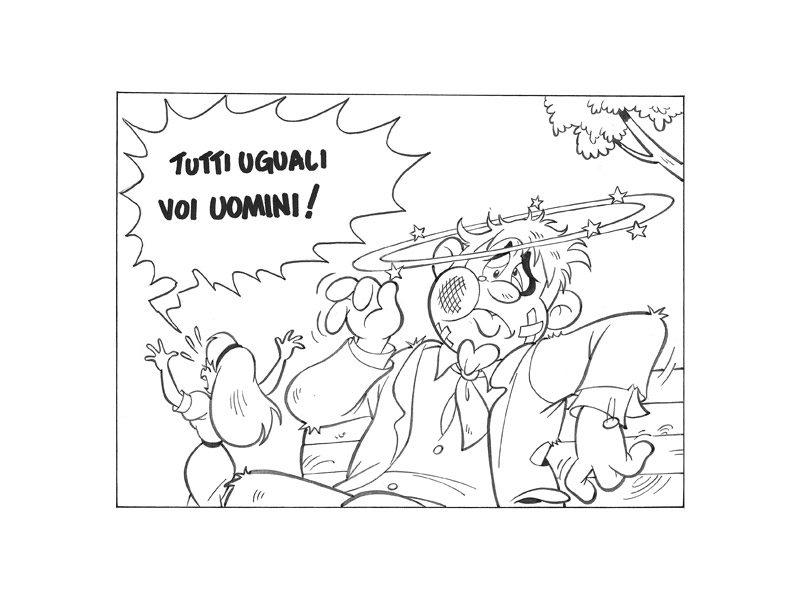
9: Speech balloons – Visual metaphors – Onomatopoeia
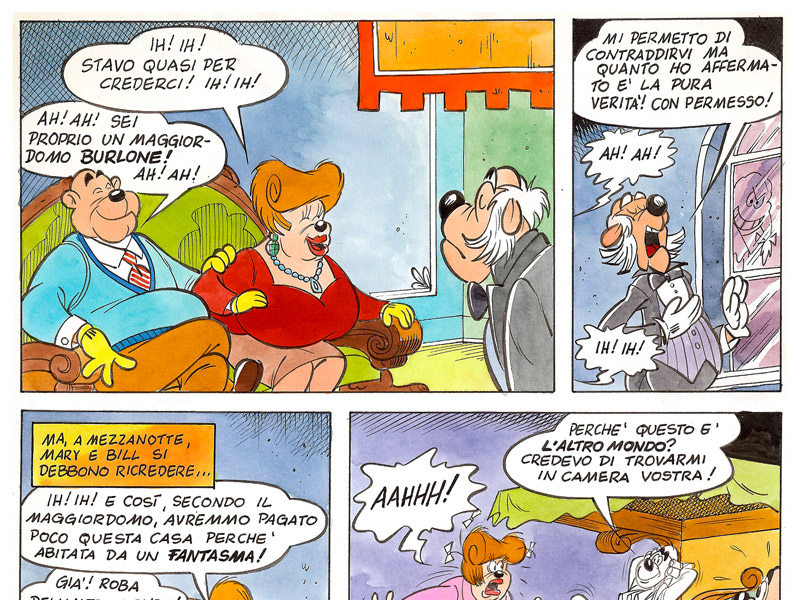
Their position in a cartoon, content and lettering.
Pictograms and visualized metaphors.
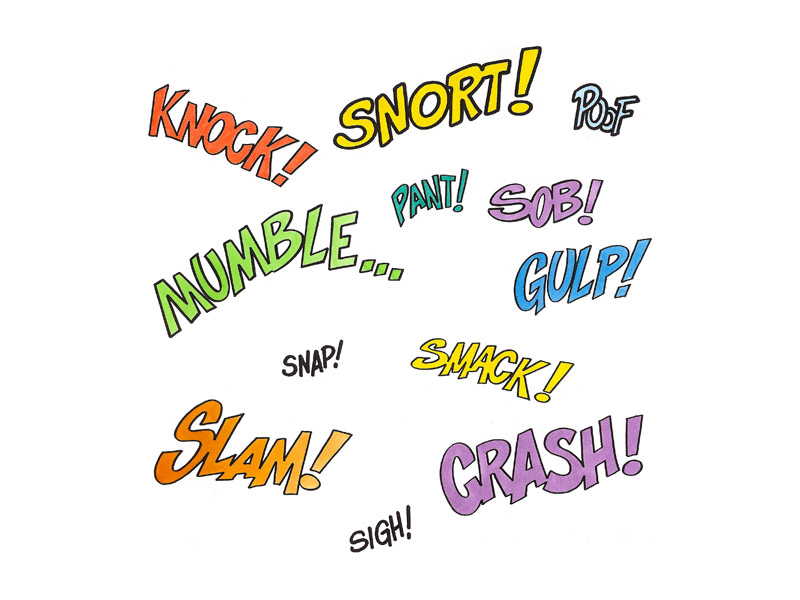
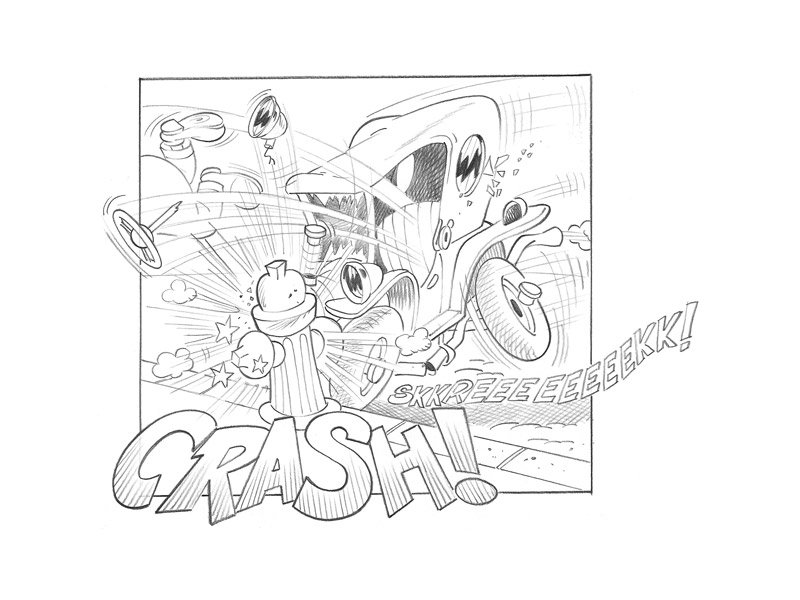
Onomatopoeia (graphical and chromatic form).


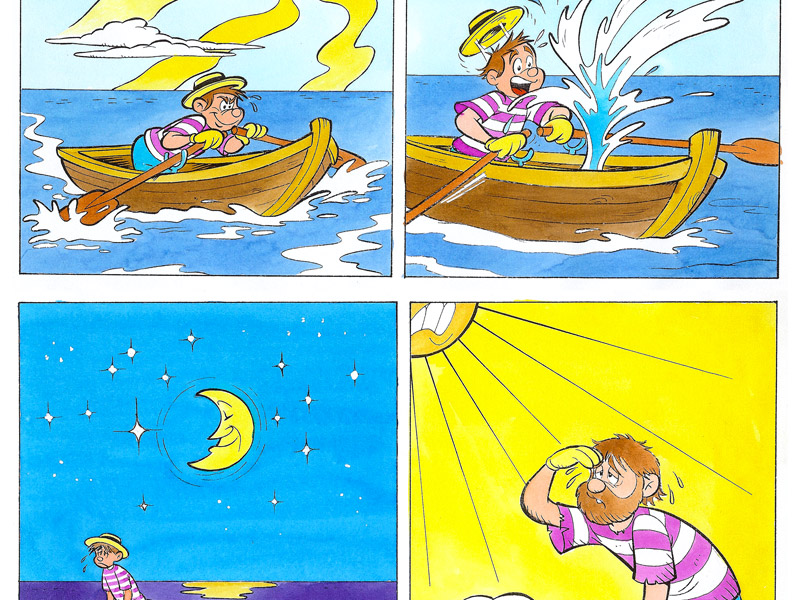
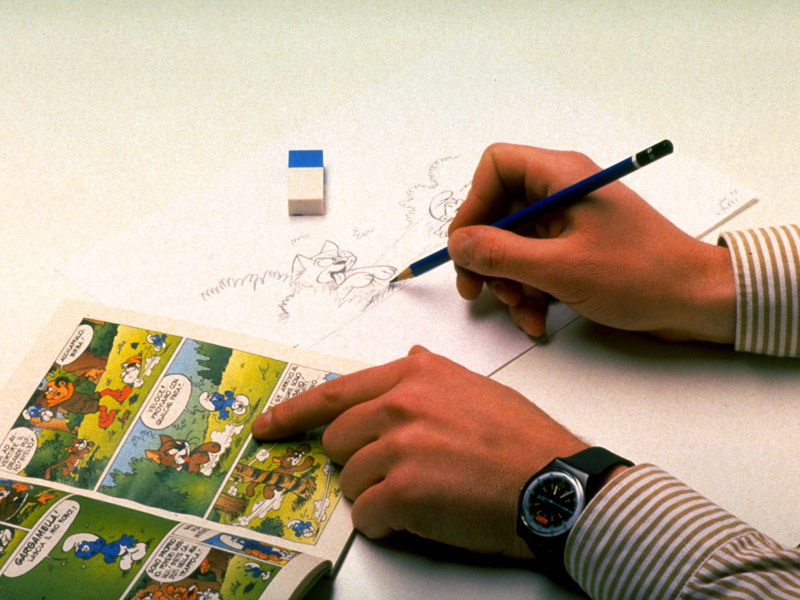



10: Framing and composition of a page of cartoons
Preparing a page of cartoons (plan, initial draft, layout).
Final talk and achievements.